Banner artwork by Mamank Mr / Shutterstock.com
As the philanthropic arm of the Association of Corporate Counsel, the ACC Foundation has spent years quietly expanding what it means to support in-house counsel — reaching beyond legal training into leadership development, inclusion, and the broader skills that shape lawyers into well-rounded professionals. At the helm is Executive Director Jennifer Chen, who has guided the Foundation’s growth from a handful of programs into a portfolio anchored by four signature events, a fast-growing cybersecurity and AI research initiative, and a new partnership with TED to bring TEDLaw to the in-house community.
In this Q&A, Chen discusses the Foundation’s mission and why it matters now more than ever as the general counsel role continues to evolve, what’s behind the new TEDLaw partnership, and what a typical day looks like leading an organization that runs entirely on sponsorships and registrations. She also reflects on recently being named an “Outstanding Champion of Women Lawyers” by the National Bar Association — a recognition she calls especially meaningful as someone who is not a lawyer herself but has spent her career creating opportunities for those who are.
Tell us about the ACC Foundation. What is its mission?
Jennifer Chen, Executive Director, ACC Foundation: We are the 501(c)(3) nonprofit arm of the Association of Corporate Counsel (ACC). Our mission is centered on advancing the legal profession by providing opportunities for education, leadership, professional development, research, pro bono support and service, and initiatives that foster a culture of inclusiveness.
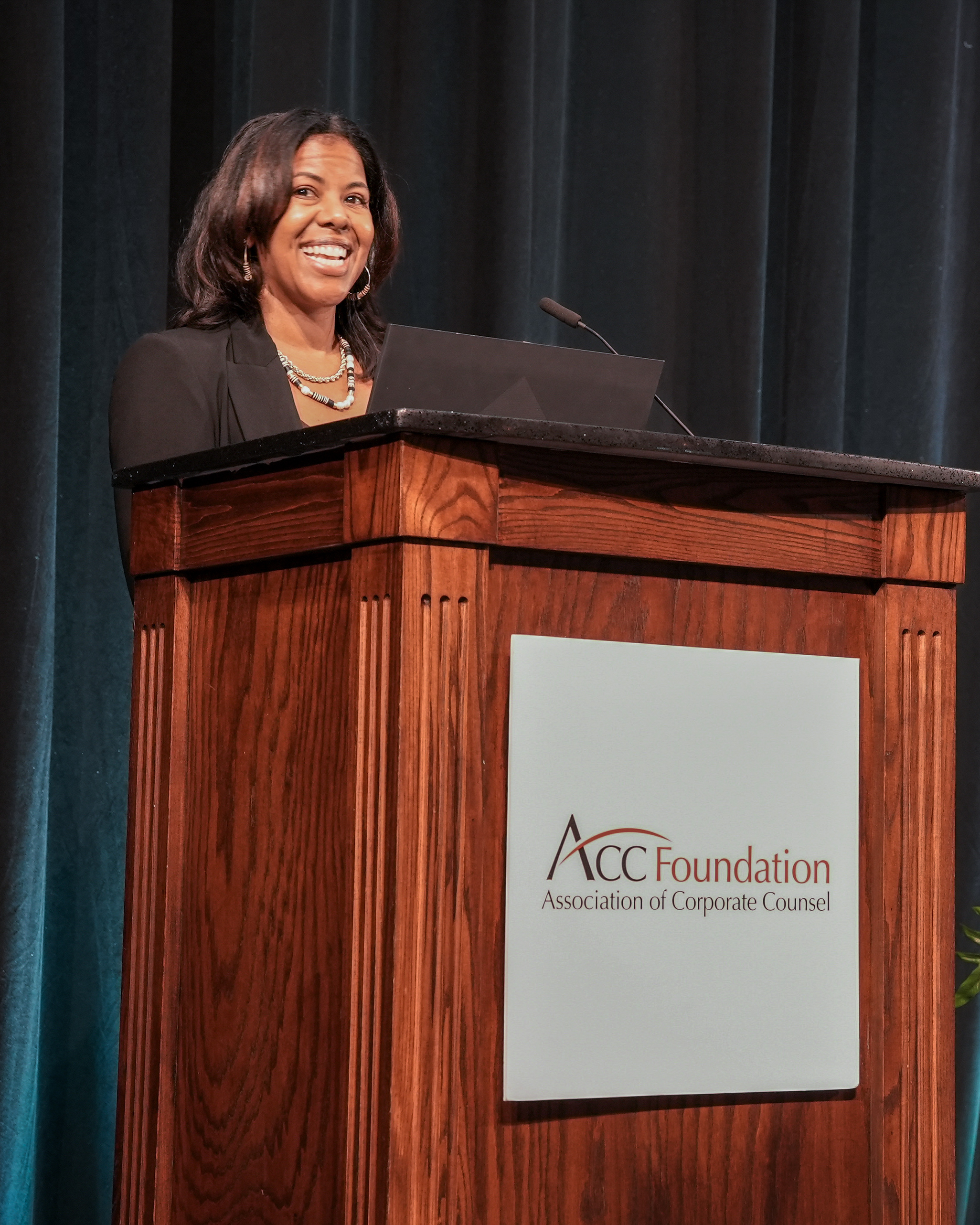
Because we are the Foundation, we have the flexibility to bring people together beyond ACC's membership of in-house counsel. We can explore different ideas and partner with a variety of organizations in ways that complement ACC's core work, while supporting the legal profession as a whole. Operating in that space allows us to focus much of our educational programming on the non-legal aspects of career and professional development. Cybersecurity and AI are somewhat unique exceptions, largely because cybersecurity was one of the first research areas in our portfolio That research led to the development of an educational conference that continues to support those efforts today.
Ultimately, those programs align with our broader mission because they create leadership and professional development opportunities. Across all our events and initiatives, we strive to foster a culture of inclusiveness and create programming that reflects a truly diverse network of participants and perspectives.
[Chen is credited with bringing this topic to the attention of ACC leadership, resulting in the ACC Foundations Annual Cybersecurity + AI Summit and the ACC State of Cybersecurity Report].
Why is this important to the in-house practice? To you?
Chen: The in-house role has changed significantly. General counsel are expected to be leaders, not just lawyers. We provide opportunities to support that evolution through meaningful networking, leadership development, and a focus on the full professional growth of an attorney.
We are looking beyond technical legal skills to the broader competencies that help people succeed throughout their careers. Whether someone is early in their career or preparing for senior leadership, there are critical skills to develop along the way, and there are not many places dedicated to helping lawyers build those capabilities. We provide that unique space.
It is also important to me that we are focused on building a diverse community and creating opportunities and exposure for people who might not otherwise have access to them.
How does the work the Foundation does extend beyond supporting in-house counsel?
Chen: We bring together communities of general counsel with law firm leaders, academics, policymakers, technologists, civil rights leaders, nonprofit organizations, filmmakers, and other business leaders who can offer valuable perspectives to the legal profession.

Creating programs that connect these groups helps lawyers become better leaders and more well-rounded professionals, in addition to strengthening their legal expertise.
It is also important that we create opportunities for lawyers who might not otherwise have access to influential networks. Putting law firm lawyers in the same room as chief legal officers gives them the chance to build relationships, develop business opportunities, and advance their careers. That access, in turn, can help elevate them within their organizations and into leadership roles — creating broader benefits for organizations and the profession as a whole.
ACC Foundation recently launched TEDLaw. Tell us about the program.
Chen: We have partnered with TED to bring TEDLaw to the in-house community. TED created the program, and we are helping introduce it to our audience because it aligns so closely with our mission. The partnership is built around the idea that lawyers of the future will need a broader set of skills and capabilities. That aligns with how we think about leadership, professional development, and helping turn lawyers into leaders.
TEDLaw is an immersive training program built around five core pillars. It is not a traditional CLE experience. Instead, it is taught in the TED style, using storytelling, challenging assumptions, and learning alongside one another to help participants develop new ways of thinking and leading.
The content was developed through extensive research and input from lawyers, judges, legal professionals, and law professors about the skills lawyers need today and will need in the future. Much of the training focuses on those broader professional competencies, including areas like communication, leadership, and working effectively with AI.
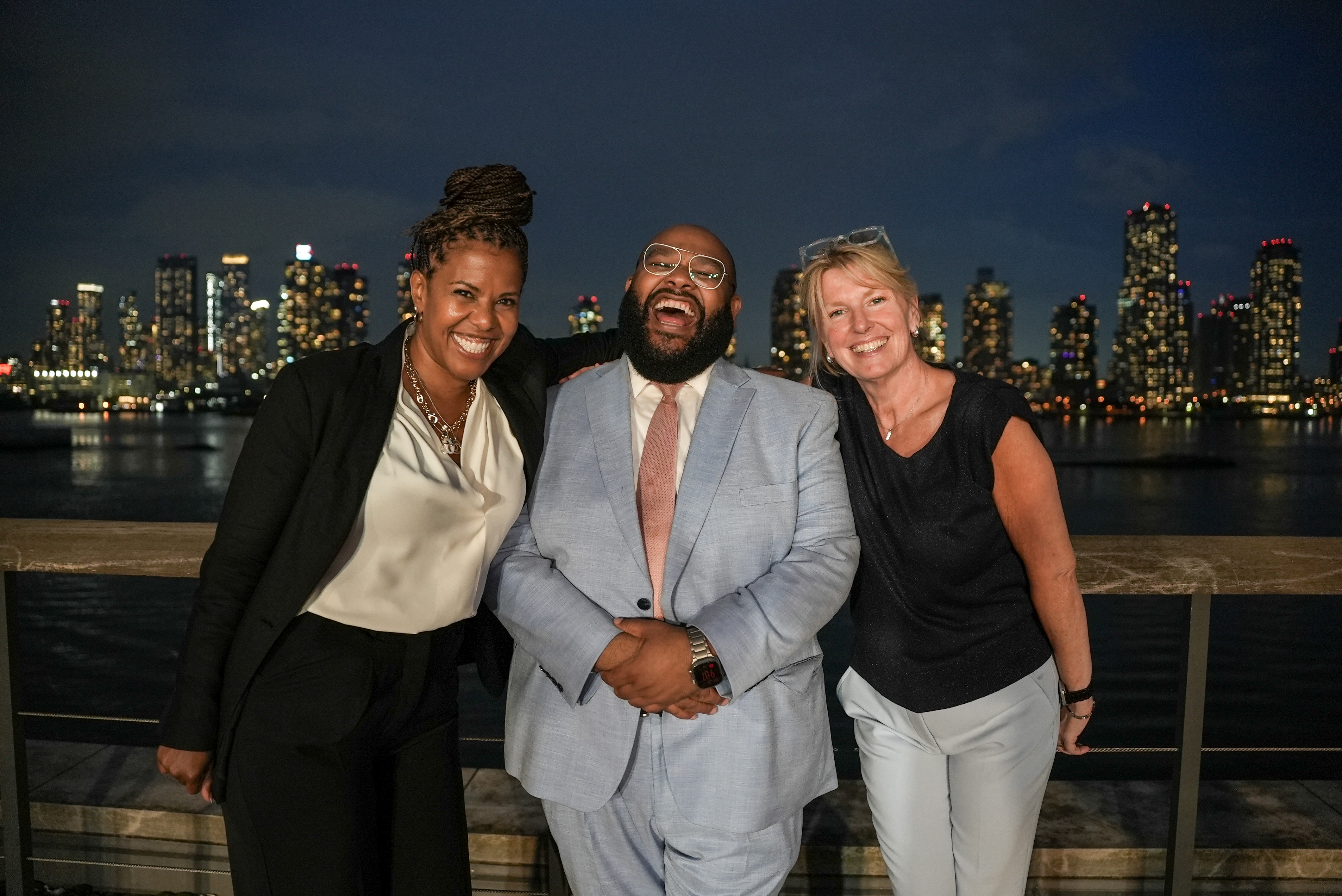
We are excited to bring these workshops to the in-house community through sponsorship partnerships; our goal is to make the training available on a complimentary basis whenever possible.
[The first program will take place on September 18 in New York, sponsored by Greenberg Traurig.]
Four Signature Events Driving Leadership, Connection, and Impact
The ACC Foundation’s programming is anchored by four signature events that have evolved into cornerstone experiences for in-house counsel around the world: Global Women in Law, the Corporate Counsel Classic, the Good Lawyers to Great Lawyers Retreat, and the Cybersecurity Summit. While each serves a distinct purpose, all are designed to advance leadership, foster meaningful connections, and support the Foundation’s broader mission.
Global Women in Law: Elevating Leaders on a Global Stage
Among the Foundation’s most celebrated programs is Global Women in Law, now in its eleventh year. What began as a fundraising dinner honoring women in the legal profession has grown into a global platform for leadership development, recognition, and networking.
“Global Women in Law has grown so much from its inception,” said Executive Director Jennifer Chen. “It is no longer just a one-day program. It’s become a week-long educational experience that reaches a global audience.”
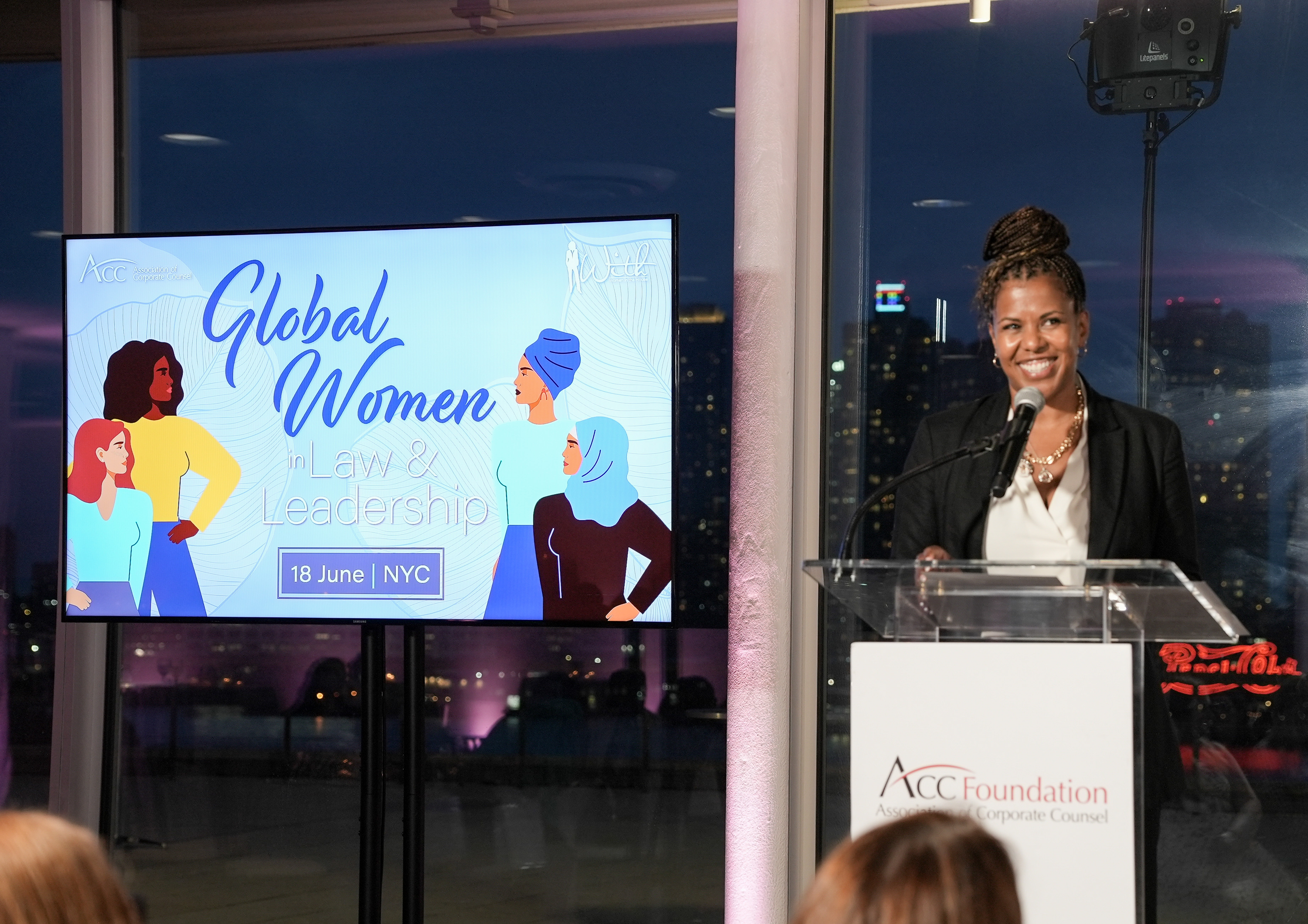
Today, the event includes educational programming, webinars, and leadership discussions that culminate in a flagship gathering at the United Nations. Along the way, it has attracted distinguished speakers and honorees from across the legal profession.
For Chen, the event's continued success is rooted in its ability to inspire participants and create opportunities for women leaders to advance. “It's really about leadership, visibility, connection, and creating opportunities for leaders to continue advancing at the highest levels of the profession,” she said. “It also gives us the chance to recognize extraordinary women and highlight their contributions to the legal community.”
Corporate Counsel Classic: Building Connections Before the Annual Meeting
Held in conjunction with ACC’s Annual Meeting, the Corporate Counsel Classic has evolved considerably since its early days as a standalone golf tournament.
"It was actually the very first event the Foundation did when I started," Chen recalled. "For the first couple of years it was just golf. Then someone told us, ‘We don’t golf; can you add a spa option?’”
What followed was a natural expansion that transformed the event into a broader networking experience, complete with golf, spa activities, social gatherings, and opportunities to connect before one of the legal profession's largest annual conferences.
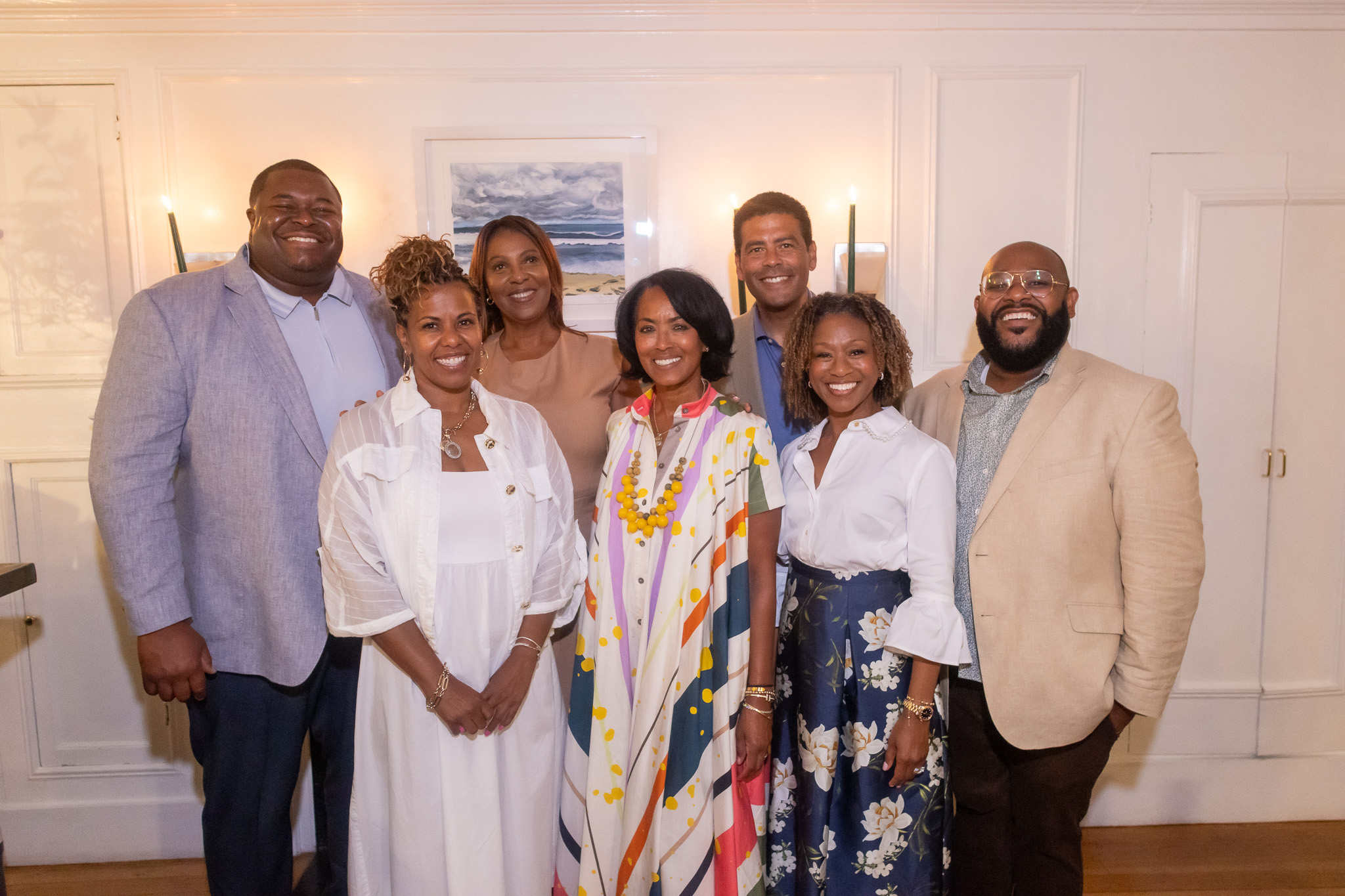
“What I love most about the Classic is that it allows people to come in before the Annual Meeting, relax, connect, and enjoy themselves before diving into a conference that can feel overwhelming for some attendees,” Chen said.
The event is also open to individuals who are not attending the Annual Meeting, creating an alternative pathway for networking and engagement. As one of the Foundation's key fundraising initiatives, the Classic also directly supports programs and charitable contributions aligned with its mission, including support for diverse bar associations and other profession-advancing initiatives.
Good Lawyers to Great Lawyers: Developing the Whole Leader
If Global Women in Law focuses on visibility and recognition, the Good Lawyers to Great Lawyers Retreat focuses on personal and professional transformation.
One of Chen’s favorite programs, the retreat was originally envisioned as an intimate leadership experience for rising legal leaders. Over time, it has become known for its unique blend of executive-level insights, coaching, and reflection.
“We designed it around the idea that becoming a great lawyer isn’t just about becoming a better technical lawyer,” Chen explained. “ACC already provides excellent CLE opportunities. This program is about becoming a better communicator, strategist, colleague, and human being.”
The three-day retreat brings together participants with accomplished faculty that often includes chief legal officers, managing partners, and other senior leaders. Educational programming is complemented by one-on-one and group coaching sessions, as well as intentionally built-in downtime that encourages reflection and authentic relationship building.
According to Chen, the experience succeeds because it balances education with personal growth. “People come for the intimate access and insight they receive from the faculty,” she said. “But they also value the opportunity to step back, reflect, and connect with their peers.”
Cybersecurity Summit: From Research Report to Premier Conference
The Foundation's Cybersecurity Summit + AI Summit traces its origins to one of the organization’s earliest research initiatives.
More than a decade ago, the Foundation produced a cybersecurity report at a time when the topic had not yet reached the prominence it holds today. Chen recognized both the growing importance of the issue and an opportunity to expand the conversation.
“After we launched the report, we needed a way to continue the dialogue,” she said. “That’s really how the conference came together.”
What started as a one-day event has grown into a robust, multi-track conference that attracts leading voices from across the legal, technology, government, and corporate sectors. During the pandemic, the program expanded into a three-day virtual format before evolving into the current two-day conference featuring multiple concurrent tracks and specialized sessions.
Chen is particularly proud of the event’s faculty, which consistently reflects a strong commitment to broad representation and diverse perspectives.
“We’ve been very intentional about building a faculty that represents different backgrounds, experiences, and viewpoints,” she said. “What makes me most proud is that we're not cybersecurity experts ourselves, yet we’ve been able to bring together some of the brightest minds in the field year after year.”
The result is a highly regarded program that continues to earn strong attendance and exceptional participant feedback while addressing one of the most critical issues facing legal departments today.
Together, these four signature programs highlight ACC Foundation’s commitment to leadership development, professional growth, and community building. Whether recognizing trailblazing women leaders, creating space for relationship building, developing future legal executives, or tackling emerging risks in cybersecurity, each event reflects the Foundation’s mission to advance the legal profession and support those shaping its future.
Leadership with a Purpose
As Executive Director, what does your typical day look like?
Chen: On most office days, I am focused on managing the organization. That includes overseeing finances, developing reports, and supporting governance responsibilities. I report to both the ACC Foundation Board and the ACC Board, so a significant part of my role involves keeping the organization moving forward and ensuring we are aligned with our goals.
There’s always a program in development, so I’m constantly looking ahead: Do we need speakers? Sponsors? New partners? Who do I need to call? Who do I need to engage?
A lot of my time is spent making sure we have the resources and relationships needed to support our programs. We are a "money in, money out" organization, and 100 percent of our financial support comes through sponsorships and registrations. We don’t rely heavily on individual donations, so I am always focused on making sure we are meeting our budget and advancing our mission responsibly.
At the same time, I am also the face of the organization, and that means showing up. I attend nearly all our Foundation events, support our partnerships with diverse bar associations, participate in partner events, and help maintain relationships across the legal community. Between our four signature programs, our dinner series, and partner activities, there is a lot happening throughout the year.
You were recently honored by the National Bar Association as an "Outstanding Champion of Women Lawyers" for your leadership, advocacy, and overall impact in elevating women in the profession. What did this honor mean to you?
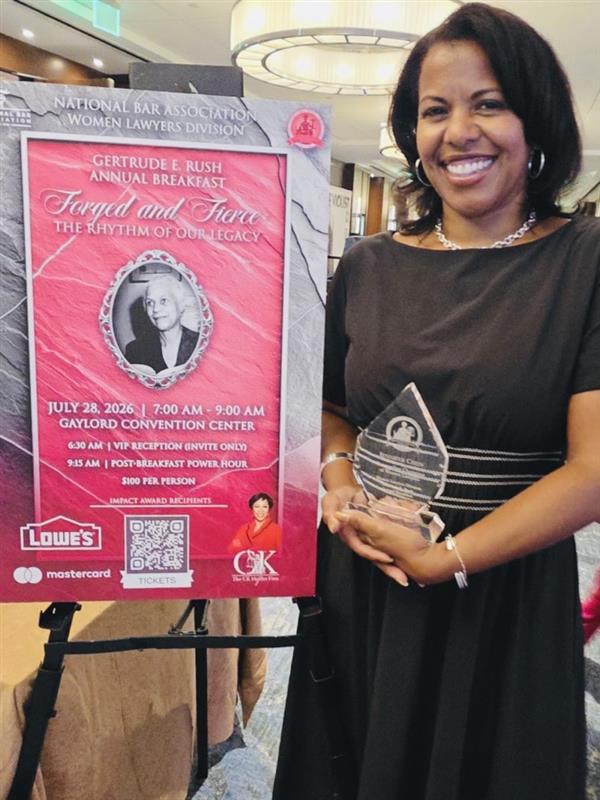
Chen: It was incredibly meaningful, particularly because the recognition came from a profession that I am not formally a part of. I am not a lawyer. So, to be recognized by lawyers for the work that I do was very special.
It is a tremendous honor, and it is gratifying to know that people see and value the work we are doing. For me, though, the recognition reinforces the importance of continuing that work. There are still far too many talented women, particularly women who historically have had less access to influential networks, who deserve opportunities to lead, to be heard, and to be seen. Helping create those opportunities is something I am extremely proud of.
Disclaimer: The information in any resource in this website should not be construed as legal advice or as a legal opinion on specific facts, and should not be considered representing the views of its authors, its authors’ employers, its sponsors, and/or ACC. These resources are not intended as a definitive statement on the subject addressed. Rather, they are intended to serve as a tool providing practical guidance and references for the busy in-house practitioner and other readers.