Kaitlyn Stone

Litigation Partner & Co-Chair of Artificial Intelligence Practice at Barnes & Thornburg LLP
Kaitlyn E. Stone is a litigation partner and co-chair of the Artificial Intelligence practice group in the New Jersey office of Barnes & Thornburg. Stone defends companies in a variety high-stakes litigation. She counsels leading health and life sciences, pharmaceutical, and medical device companies in product liability and mass tort matters, with an emphasis on prescription medications, medical devices, and consumer goods. Her areas of focus span multidistrict litigation (MDL), class actions, and coordinated state proceedings involving thousands of plaintiffs, to single-plaintiff disputes. Stone is also a formidable advocate in complex commercial and real estate litigation, with extensive experience in business tort, land use, environmental, and public contract cases. Stone lectures and publishes extensively on issues related to product liability, crisis management, and AI. She is an author of recent publications featured in Bloomberg Law, Law360, and more. She earned her B.A. from the University of Rhode Island and her J.D. from Seton Hall University School of Law. She previously served as law clerk to the Honorable Clarkson S. Fisher, Jr., P.J.A.D., in the Superior Court of New Jersey, Appellate Division.

My Articles

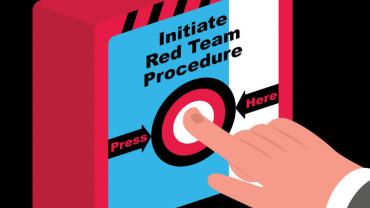
Crisis Management in the Age of AI: Smarter Red Teams and AI Tools for Anticipating Corporate Catastrophes 

AI is now a practical toolkit for corporate crisis management, not just a source of new risk. Find out how legal departments can use AI for red teaming, risk monitoring, and failure analysis while protecting attorney-client privilege and keeping humans in charge of key decisions. 

How In-house Counsel Can Assess Risks and Red Team Global Organizational Threats

As the COVID-19 pandemic continues to impact businesses, demonstrating the ramifications of a global crisis, companies need to identify new and creative tactics to stay ahead of the next catastrophe. Anticipatory strategies help a business not only foresee a crisis, but to achieve the optimal goal of successful crisis management: avoiding the crisis altogether.