Banner artwork by MAI123 / Shutterstock.com
Matt Nolan knows that even when battles are lost — they can inspire action.
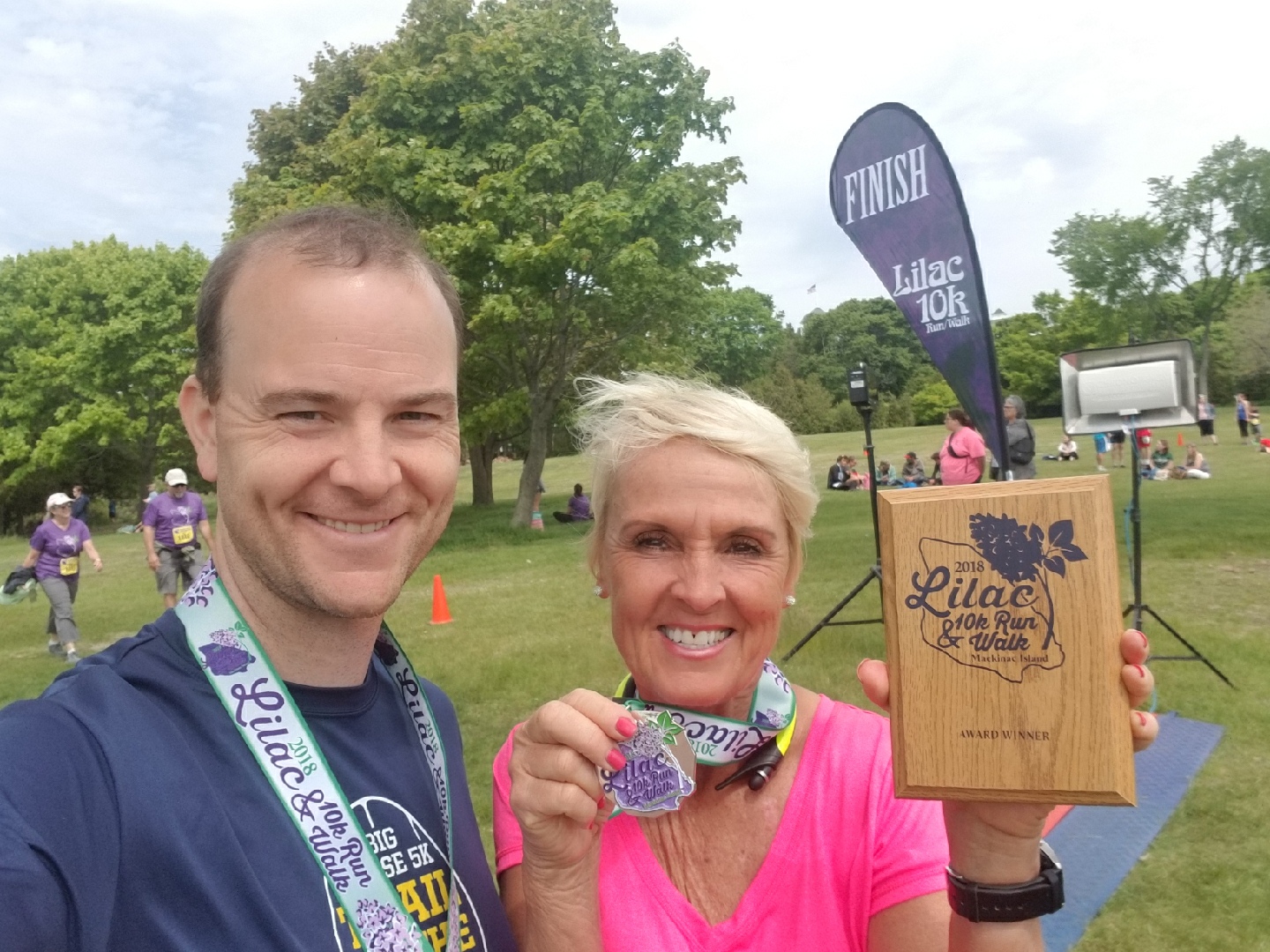
A member of ACC Charlotte and the ACC Global Board of Directors, Nolan serves as General Counsel, Third Party Risk Management, at Honeywell. This spring, he is taking on a new kind of challenge: running the 130th Boston Marathon in honor of his mother, who passed away after battling pancreatic cancer in December.
What began as a personal effort to do something in the face of helplessness has grown into a powerful movement. Matt initially set a fundraising goal of US$30,000. Today, that total has surpassed US$139,000, fueled by over 1,000 donors — colleagues, friends, family members, and supporters from across the country and around the world.
We spoke with Matt about grief, leadership, community, and what it means to keep showing up — in law, in life, and on the marathon course.
Q&A with Matt Nolan
ACC:
You’ve described the “helplessness” that comes when cancer impacts your family. What shifted for you from feeling helpless to deciding to take action through the Boston Marathon?
Nolan:
There are things that loved ones can do for those diagnosed with cancer, but there’s a hard limit — and particularly for in-house lawyers used to taking on the incremental weight of a situation themselves, that limit really frustrates. When I finally internalized that Mom would ultimately have to fight her own fight, and that I couldn’t do it for her, I needed an outlet for that.
Taking on my own challenge (physically, mentally, and with the fundraising, socially) to help put those who face this situation in the future in a better position felt like something I could do.
ACC:
How has your mother’s memory shaped your approach — not only to this marathon — but to how you show up in your life and career today?
Nolan:
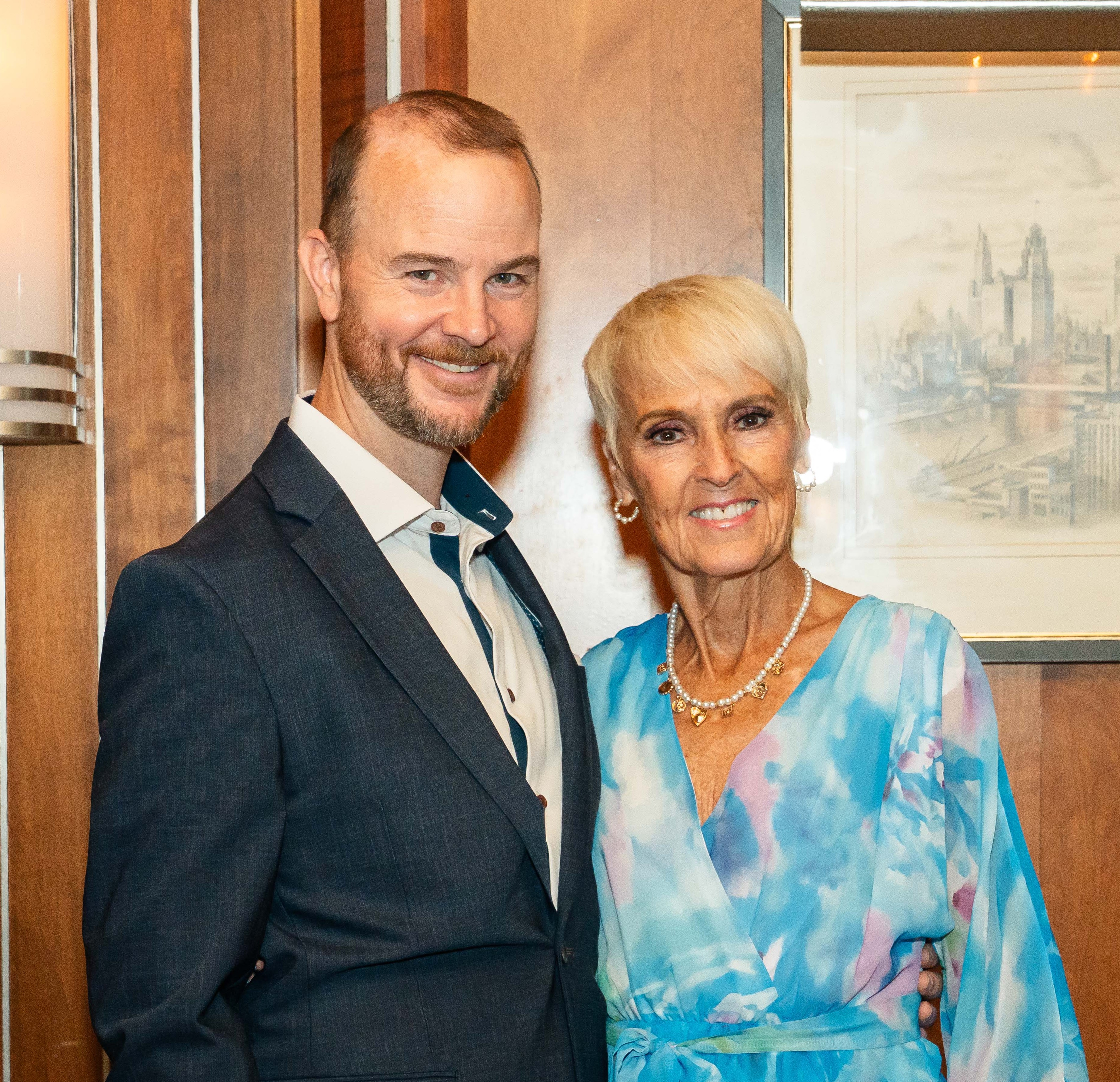
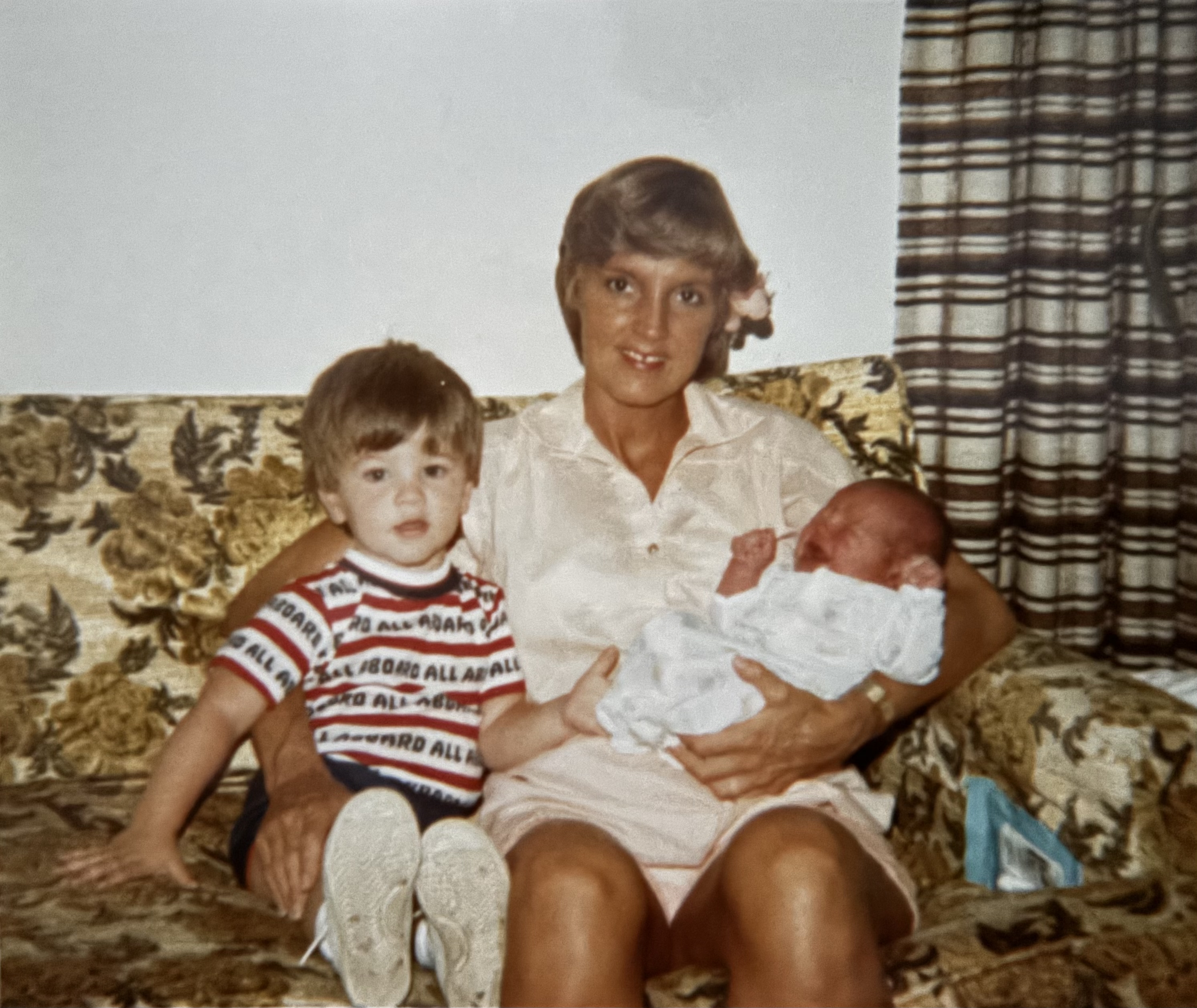
This is something I’ve reflected on quite a bit in the last few months, as death has a way of making you reflect. I get my social disposition from Mom, who knew no strangers — only friends she hadn’t met yet (the stories are legion). I get my desire to put more into this world than I take from it from Mom, who organized meal trains, volunteered for local corporate cup, was a wish-granter for Make-a-Wish for years, was active in her church, and who showed up for anyone who needed it (whether they asked or not) as far back as I can remember.
Mom and Dad also ran 5K races back in the 80s and early 90s (when it wasn’t nearly as common), which probably inspired the start of my running “career” early in the in-house portion of my career.
ACC:
You’ve been running for 13 years but have never run a marathon. Why Boston — and why now?
Nolan:
I thought it was crazy when I ran my first half marathon, let alone this. The time required to train for a full marathon is drastically more than a half marathon (which, training-wise, really isn’t that much more strain on the schedule than a 5K), and as a busy corporate lawyer involved in a number of other things, I’ve never wanted to make a marathon that big of a time priority.
I’m already looking forward to the week after the race and being able to say goodbye to these ridiculous wakeup times — twice per week lately in the 3-4 am hour to fit in the miles needed before work! I debated other runs, but ultimately determined that if I was going to really do this thing one time — I wanted to try to do it as big as I could, and Boston’s the granddaddy of them all in this category (it’s been run annually since 1897).
I was fortunate enough to convince Blood Cancer United to let me participate on their team. I began my effort last year when Mom was still in the middle of her battle, and seeing how moved she was even by the early response I got was more than worth the cost of what I’m putting in.
ACC:
Training for a marathon is as much mental as it is physical. What lessons from marathon training translate to leading a legal team?
Nolan:
There are plenty of similarities — success looks different for each runner, just as it comes differently for any legal team in their company. In both, it’s important to have clear and transparent goals, as well as an executable plan — but to be able to read and react to data as you progress to modulate that plan to achieve the goal. Spending time doing each doesn’t necessarily make you better — but doing each deliberately will unlock levels of performance you previously thought not possible.

ACC:
You started with an initial goal of US$30,000. You then extended the goal symbolically to US$130,000 (to mark the 130th Boston Marathon), and you’ve since surpassed that amount. How important have symbolism and storytelling been in motivating others to rally behind the cause?
Nolan:
The goal has been a challenge for me, as we hit my initial “stretch” target in the first three weeks of this effort — I think the alchemy of Mom, my first marathon, Boston, and the universality of the impact of cancer has unlocked something different here (and different supporters have responded more strongly to different pieces of that).
I could have declared victory and stopped the effort once I hit that first goal — but cancer isn’t stopping, and I know there’s more ability for me to raise funds for this effort. So, on I go. I’ve wanted each evolution of the goal to feel just a *bit* tougher than can be achieved, to motivate me to find more and more ways to get it there (as well as to help potential supporters connect thereto!).
ACC:
Your fundraising support has come from colleagues, friends, family, and even contacts from your time overseas. What has it meant to see your professional and personal communities come together around this cause?
Nolan:
In short: everything. In this moment in our world when it’s easy to question the humanity I’ve often taken for granted as a foundational principle of our society, seeing donors from all phases of my life and communities each pitch in with what they can is incredibly motivating and heartwarming.
Each donation that comes in, whether US$25 or US$500 or more, is an opportunity for me to reflect on that person and our relationship, to reflect on Mom, and to push through the next tough segment on tomorrow’s training run.
ACC:
Many ACC members balance demanding careers with personal challenges. What advice would you give to fellow in-house leaders who are navigating grief, caregiving, or family illness while leading teams?
Nolan:
I don’t know that I’m qualified to give that advice — you could take the position that turning this moment into an opportunity to make a positive mark in the world is a way of me processing my grief, but you could just as easily argue that it’s a method for me to keep me busier than usual and avoid having to grapple fully with the loss. Different people in my life probably see that differently, and there may be elements of truth to both.
The only piece of advice I’ll give that I feel confident in is that your job is your job, and your life and family are your life and family. Too many of us confuse which of those should be sacrificed more often in service of the other, and I think that makes it tougher to do either. I’m so appreciative of the team here at Honeywell for supporting me as Mom’s journey came to a close and I needed to be elsewhere (both physically and mentally), and that only redoubles my commitment to wanting to sink myself into our future — a lesson for any leader.
ACC:
You’ve already surpassed US$130,000 with months to go. Beyond the financial impact, what does success look like for you on race day?
Nolan:
On the advice of other marathoners I’m avoiding any specific time goals for the race — as my first marathon, anything crossing the finish line under the time limit is a win. I’d like to feel like I’ve optimized what I can do with whatever challenges and conditions come my way (physical, work, weather, etc., etc.) — and when I cross that finish line, I’ll be thinking of the donors who’ve joined me in making this a particularly memorable impact that Mom again is leaving in the world.
Disclaimer: The information in any resource in this website should not be construed as legal advice or as a legal opinion on specific facts, and should not be considered representing the views of its authors, its authors’ employers, its sponsors, and/or ACC. These resources are not intended as a definitive statement on the subject addressed. Rather, they are intended to serve as a tool providing practical guidance and references for the busy in-house practitioner and other readers.